


Oxygen absorbers vs Vacuum sealing for Food Packaging
For centuries, preserving the bounty of the harvest has been a fundamental human challenge. In the modern era, two powerful contenders dominate the field of home and commercial food preservation: oxygen absorbers and vacuum sealing. Both aim to stop time, or at least slow it down significantly, but they go about it in fundamentally different ways. The choice between the two or the decision to use them together comes down to understanding their mechanisms, their limitations, and the science of spoilage. This deep dive will resolve the debate of primary oxygen absorbers vs vacuum sealing, helping you select the perfect strategy for your pantry, freezer, or emergency food supply.
Reasons Why Food Goes Bad
To appreciate the solutions, we must first understand the problem. The primary culprit in the degradation of stored food is oxygen. It’s the driving force behind most food spoilage causes oxygen-related issues, initiating chemical and biological processes that ruin texture, flavor, and nutritional value. Specifically, oxygen facilitates:
- Oxidation: This leads to fat rancidity in oils, nuts, and grain products, creating off-flavors.
- Aerobic Microbe Growth: Mold, yeasts, and many bacteria thrive in the presence of oxygen, leading to visible spoilage and potentially dangerous toxins.2
- Enzymatic Browning: Oxygen triggers enzymes that cause discoloration in fruits and vegetables.
Often, oxygen works in concert with moisture, leading to what is known as moisture + oxygen combined spoilage. Eliminating or drastically reducing both is the key to true food storage without refrigeration and achieving long-term shelf stability. The air trapped within a container or bag, known as headspace oxygen in packaging, is the immediate target of both preservation methods.
The Power of Evacuation: How Vacuum Sealing Works
Vacuum sealing employs a mechanical approach to preservation. The process involves placing food into a specially designed plastic bag or canister and using a vacuum sealer machine to physically suck out the air before hermetically sealing the container. In essence, the machine reduces the atmospheric pressure inside the bag, removing approximately 80–90% of the ambient air, including the oxygen.

The resulting low-oxygen, tight environment offers tremendous vacuum sealing advantages for food shelf life. Firstly, by removing air, it drastically slows down the growth of aerobic bacteria and mold. Secondly, the tight seal prevents "freezer burn," which is caused by the surface of the food dehydrating and oxidizing in the cold air. For applications like vacuum sealing for meat and vegetables, this method is indispensable for freezer storage, maintaining texture and preventing moisture loss. However, a small but significant amount of residual oxygen removal packaging remains, dissolved in the food tissue and left in the minute pockets within the seal.
The Chemical Solution: The Role of Oxygen Absorbers
Unlike vacuum sealing, which removes air volume, oxygen absorbers target the gas itself. These small packets, typically containing iron powder, salt, and activated carbon, utilize a chemical reaction oxidation to scavenge oxygen molecules from the surrounding air. When exposed to air, the iron powder rusts, consuming the oxygen in the process and trapping it as iron oxide.
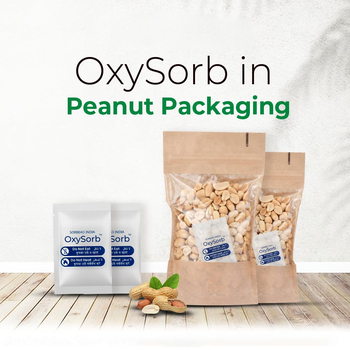
The oxygen absorber benefits food packaging are numerous and profound. The primary advantage is their ability to reduce the oxygen level to a phenomenal 0.1% or less, a level far lower than what a standard vacuum sealer can achieve. This makes them highly effective for achieving true oxygen absorbers food storage long term for items like grains, legumes, dehydrated goods, and flour packed in airtight Mylar bags or rigid containers. They excel at residual oxygen removal packaging, ensuring that virtually no oxygen is left to react with the stored food. To ensure optimal performance, one must consult an oxygen absorber sizing guide to match the correct absorber capacity (measured in cubic centimeters, or CCs) to the volume of the container and the amount of residual air.
Comparing the Techniques: Vacuum Packaging vs Oxygen Absorber in Packaging
The debate between vacuum packaging vs oxygen absorber in packaging boils down to efficacy and material requirements.
Vacuum Sealing Pros and Cons:
- Pros: Excellent for freezing (prevents freezer burn), maintains food structure (useful for fresh meat, fish, and cheese), and is a single-step mechanical process.
- Cons: Leaves behind a higher percentage of oxygen (10–20%), the tight seal can crush delicate foods, and it's less effective for true food storage without refrigeration over many years.
Oxygen Absorber Pros and Cons:
- Pros: Achieves the lowest oxygen levels (<0.1%), perfect for dry goods and extend shelf life with oxygen absorbers over decades, and requires no electricity once sealed.
- Cons: Does not remove air volume (leaving goods susceptible to crushing), requires a truly zero-permeability container (like Mylar or a canning jar), and only targets oxygen, not general air removal.
A critical factor for both methods is the container itself. The effectiveness of any long-term storage solution is limited by the oxygen transmission rate of bags/film—how quickly ambient oxygen can permeate the packaging material. A standard sandwich bag has a high OTR, while Mylar bags and rigid plastics have high packaging materials barrier properties, essential for both techniques to maintain the low-oxygen environment they create.
Which is Better Oxygen Absorbers or Vacuum Sealing?
There is no single "better" solution; rather, there are optimal applications for each. The decision depends entirely on the food, the storage duration, and the goal:
- For Short-to-Mid-Term Freezer Storage (0–2 years): Vacuum Sealing is the clear winner, particularly for raw or cooked meat and vegetables. It prevents freezer burn and maintains the integrity of the food's structure.
- For Long-Term Dry Storage (5–30+ years): Oxygen Absorbers paired with Mylar bags or food-grade buckets are superior. The ability to remove virtually all oxygen is critical for preventing rancidity and microbial growth in dry goods, making them the gold standard to extend shelf life with oxygen absorbers for emergency preparation and food storage without refrigeration.
- The Best Practice: Combining Methods. For the ultimate protection, many experts recommend using a vacuum sealer to remove the majority of the air volume (physical compression) and then immediately adding an oxygen absorber before sealing the bag shut. This synergistic approach maximizes the removal of headspace oxygen in packaging and provides the highest degree of protection against moisture + oxygen combined spoilage.
When oxygen absorbers and vacuum sealing work together, they provide a powerful solution that may increase the shelf life of a broad range of foods while also protecting their quality. If you want to successfully store food for an extended period of time, it is important to recognise and avoid common errors. This is true whether you are storing food for economic savings, gastronomic excellence, or practical readiness. Because of the adaptability and efficacy of these preservation methods, which are shown by real-world success stories from a variety of fields, these approaches are very useful tools for anybody who wants to extend the shelf life of food and reduce the amount of food that is wasted.
Conclusion
Ultimately, achieving maximum food freshness requires appreciating the pros and cons of vacuum sealing vs oxygen absorbers and employing the right tool for the job. By understanding the science and investing in quality packaging materials barrier properties, you can confidently preserve your food for a future you can rely on.
